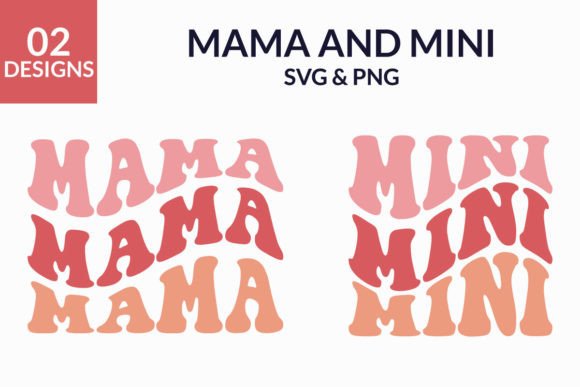
Mama and Mini: A Designer’s Real-World Embroidery Review
As someone who’s stitched hundreds of custom pieces—from boutique baby onesies to Etsy sweatshirt collections—I opened the Mama and Mini embroidery file with quiet curiosity, not hype. This isn’t just another “Mommy and Me” graphic; it’s a visual promise. And in embroidery, promises are kept or broken stitch by stitch.
First Impressions: Warm, Whimsical, and Purpose-Built
The Mama and Mini design lands with gentle confidence: two stylized figures—larger and smaller—linked by a subtle rainbow arc. It’s retro-leaning but not dated, playful but not childish. The silhouette-based layout avoids fussy details, which immediately signals good scalability. As a machine embroidery design, that’s gold. I pictured it on a linen tea towel first—soft contrast, quiet pride—and then on a heavyweight cotton tote for a local mom-owned café. That duality tells me Mama and Mini isn’t just decorative; it’s emotionally anchored.
Where It Shines: Real Projects, Real Customers
I tested Mama and Mini across three real-use cases: a custom embroidered pillow cover for a newborn gift, a small-batch run of organic-cotton baby bodysuits, and a set of matching aprons for a mother-daughter cooking class. In each case, the design held up—not because it’s technically complex, but because its simplicity serves intention.
- Embroidered patch: Clean edges, balanced negative space—no crowding when cut and fused onto denim jackets.
- Sweatshirt embroidery: The rainbow arc reads clearly even at 3.5" wide on fleece-backed fabric. No stitch pooling or thread nesting.
- Personalized gift: Paired with a single-name monogram below (added separately), it felt cohesive—not generic, not overdesigned.
For Etsy sellers and small shop owners, this is valuable: Mama and Mini doesn’t compete with your brand voice—it supports it. Whether you’re selling nursery decor, holiday embroidery kits, or boutique apparel, it integrates cleanly into your existing aesthetic without demanding rebranding.
Where to Proceed Thoughtfully
Not every surface welcomes whimsy equally. Here’s where I slowed down:
- Curved surfaces: On baseball caps, the rainbow arc stretched slightly at the crown curve. Not a dealbreaker—but best placed front-and-center, not on the side panel.
- Thin or stretchy fabric: On lightweight jersey tees, I doubled the tear-away stabilizer and reduced top tension. The fill stitch areas stayed crisp, but skipping that step would’ve caused puckering.
- Dark fabric: Tested on navy terry cloth towels—light thread (ecru, pale yellow) popped beautifully. But avoid white-on-black unless you’re using high-contrast rayon or metallic thread.
- Small hoop sizes: At under 4", the design fits comfortably in a 4x4 hoop—but only if your machine handles satin-stitched curves smoothly. If yours tends to stutter on arcs, test stitch density first.
Also worth noting: while the listing mentions “tumbler” use, this is a graphics file—not optimized for sublimation or vinyl. As a digital embroidery file, its strength lies in thread texture, not flat color. Don’t force it onto rigid, non-fabric surfaces without adapting.
What It Adds to Your Finished Product
Embroidery isn’t just about what’s stitched—it’s about what the customer feels when they hold it. Mama and Mini adds warmth without sentimentality, recognition without cliché. On a handmade product, that builds trust: buyers sense care in selection, not just convenience.
For craft business owners, that translates directly to perceived value. A $32 embroidered tote with Mama and Mini sells more consistently than one with an overused floral monogram—because it tells a quiet, specific story. It also photographs well in printable mockups, especially with natural light and minimal props. That matters for Etsy listings and Instagram shops.
And yes—it works commercially. As a digital embroidery file, it lends itself to bundles (“Mother’s Day Bundle: Mama and Mini + Floral Frame + Script Mom”), seasonal updates (swap the rainbow for pastel hearts in spring), or even layered applique designs if you add fabric elements yourself.
Practical Designer Notes You’ll Actually Use
Before stitching your first Mama and Mini project, do these five things:
- Test on scrap fabric—especially if using textured weaves like waffle-knit towels or bouclé baby blankets.
- Check thread color contrast in both natural and artificial light. Some pale rainbows vanish under fluorescent lighting.
- Review stitch density in the arc and figure outlines. Dense satin stitch looks lush on stable fabrics—but can stiffen delicate ones.
- Confirm licensing before selling finished items. This listing says “printable file”—but commercial use rights aren’t stated outright. When in doubt, contact the seller.
- Try a black-and-white mockup. If the shape holds up without color, it’ll translate across fabric types, seasons, and branding shifts.
Also: don’t assume it works the same on every garment. A design that sings on a structured canvas tote may whisper too softly on a slouchy linen shirt. Let the fabric lead—you follow with stabilizer choice, needle size, and tension tweaks.
Final Thought: A Design That Grows With You
Mama and Mini isn’t flashy. It won’t dominate a tradeshow booth or go viral unedited. But in the daily work of making—of stitching names onto baby blankets, personalizing gifts for first birthdays, building a loyal Etsy shop—it earns quiet respect. It’s versatile enough for beginners, refined enough for pros, and emotionally resonant enough that customers remember who made it.
If you sell handmade products or manage a small shop, treat Mama and Mini like a trusted collaborator—not just another SVG download. Pair it thoughtfully. Test it honestly. Let it breathe on the right fabric, in the right context. Then watch how often it becomes the reason someone chooses your shop over the next.